Prepare Your Property Before Breaking Ground
Site Evaluations / Soil Testing / Septic Design in Fort Stockton for properties requiring wastewater infrastructure before construction permits are issued
Wilson Plumbing Service provides site evaluations, soil testing, and septic design for homeowners and developers planning new construction in Fort Stockton. Before you pour a foundation or submit permit applications, you need to know whether your property can support a conventional septic system or if alternative wastewater solutions are necessary. The type of soil on your land determines how effluent moves through the drain field, how deep your system can be installed, and whether additional engineering is required to meet county health department standards.
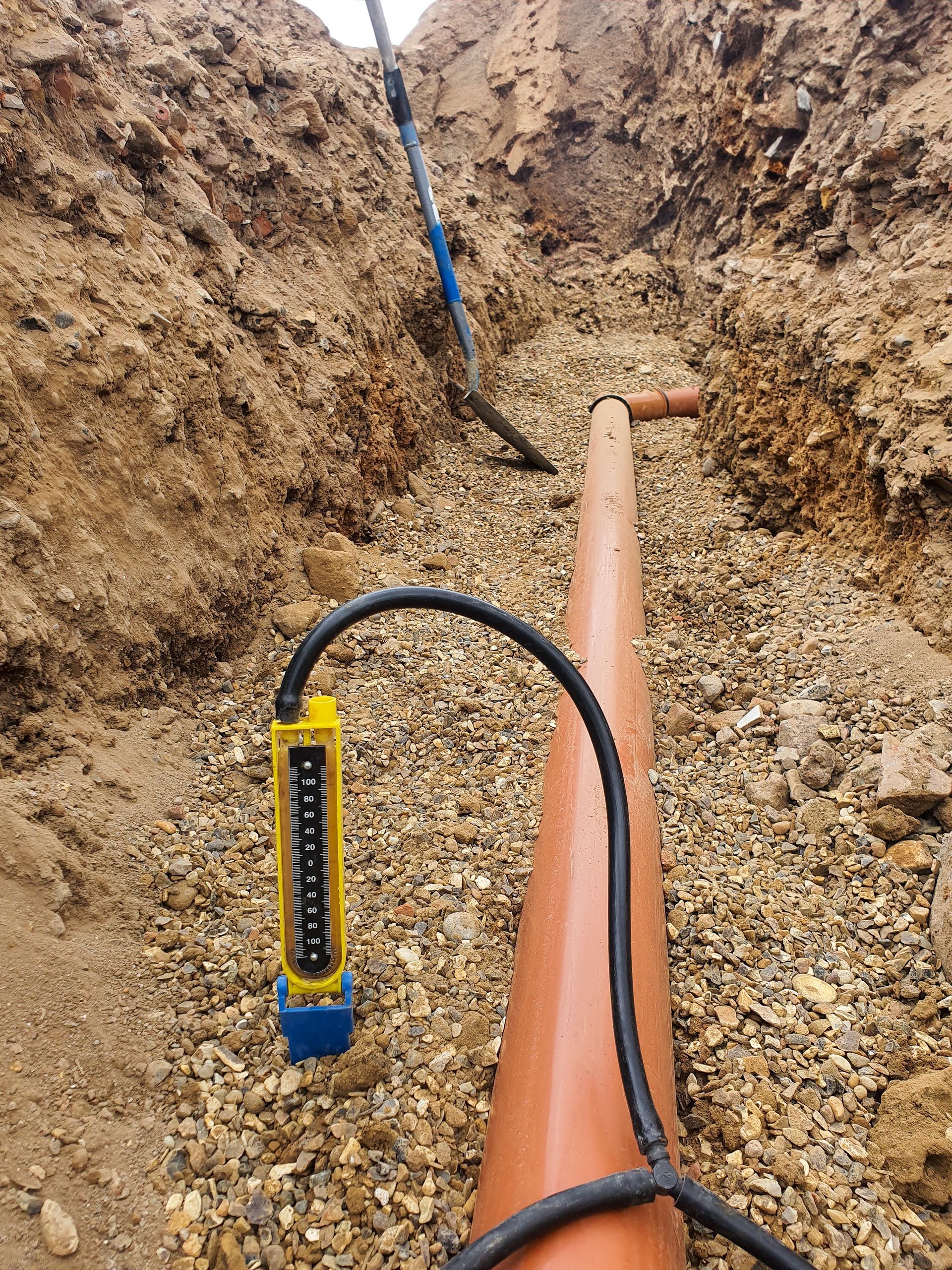
A site evaluation begins with a survey of your property to identify slope, setback distances from wells or property lines, and areas where soil conditions are most favorable for septic installation. Soil testing involves digging test pits at proposed drain field locations to analyze texture, drainage rate, and depth to restrictive layers such as caliche or bedrock. In areas where clay-heavy or compacted soils are present, percolation rates may be too slow to support standard leach field designs, requiring mound systems or aerobic treatment units instead. Understanding these conditions early prevents costly redesigns after construction has already started.
If you are preparing to build on rural property in the Fort Stockton area and need a site evaluation before moving forward, Wilson Plumbing Service can coordinate soil testing and septic design to match your timeline and development plans.
What a Complete Site Evaluation Includes
When you request a site evaluation, the process involves physical inspection of the property, soil sampling, and design recommendations based on test results and local regulations. You will receive documentation showing soil layer composition, percolation test outcomes, and whether your property meets the minimum standards for septic system installation under current health codes. This documentation is typically required when applying for a construction permit or securing financing for rural home builds.
After the evaluation is complete, you will know the exact location where your septic tank and drain field can be placed, how deep trenches need to be dug, and what type of distribution system is appropriate for your soil type. Wilson Plumbing Service uses this information to prepare a septic design that accounts for household size, estimated wastewater volume, and site-specific limitations. If your property has shallow soils or high seasonal water tables, the design may include raised drain fields or dosing chambers to ensure proper effluent dispersal without pooling or backup.
The septic design provided includes tank sizing, pipe layout, and drain field dimensions tailored to your build. It does not include grading plans, structural engineering for mound systems, or ongoing maintenance agreements. You will need to coordinate separately with excavation contractors and septic installers once the design is approved and permits are issued.
Questions About Site Evaluations and Septic Planning
Site evaluations are required for most rural construction projects, but the process and timeline vary depending on property conditions and local permitting requirements.
What determines whether a property can support a septic system?
Soil percolation rate, depth to restrictive layers, and available land area all determine whether a conventional system can be installed or if an alternative design is needed.
How long does soil testing take?
Soil testing typically requires a few hours on-site for digging test pits and conducting percolation tests, with results analyzed and documented within a few days.
When should a site evaluation be scheduled?
You should schedule a site evaluation before purchasing rural land or before submitting construction plans to ensure the property can accommodate the wastewater system you need.
Why do some properties in Fort Stockton require alternative septic designs?
Properties with caliche layers, shallow soils, or limited drain field space may not support conventional gravity-fed systems and require aerobic units or engineered mound designs instead.
What happens if the soil test shows poor drainage?
If soil drains too slowly, the septic design will include larger drain fields, dosing systems, or aerobic treatment to compensate for reduced percolation rates.
Wilson Plumbing Service works with landowners and builders throughout the Fort Stockton area to complete site evaluations and septic designs that meet local health department requirements. If you are ready to move forward with soil testing or need a septic design for an upcoming build, contact Wilson Plumbing Service to schedule an on-site evaluation.