No Hot Water or a Failing Water Heater
Water Heater Installs in Fort Stockton for replacing units that no longer provide consistent hot water
Wilson Plumbing Service installs water heaters for residential and commercial properties in Fort Stockton. You need this service when your existing water heater stops producing hot water, leaks from the tank, or struggles to keep up with your property's hot water demand. A failing water heater disrupts daily routines, from showering to dishwashing, and a leaking unit can cause water damage to floors and nearby structures. This service replaces your old unit with a properly sized water heater that matches your usage needs and connects it to your plumbing, gas, or electrical systems for reliable long-term performance.
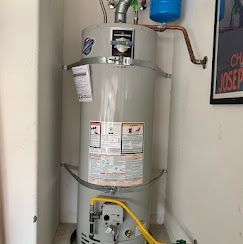
Water heater installation begins with selecting a unit based on the number of people in the home, the number of fixtures that use hot water, and whether the building uses gas or electric power. Tank water heaters store and heat a set volume of water, while tankless units heat water on demand as it flows through the system. The installer removes the old water heater, prepares the installation area, and connects the new unit to the cold water supply line, hot water distribution line, and the gas or electrical source. Proper venting is required for gas water heaters to safely remove combustion gases, and pressure relief valves are installed to prevent tank failure if internal pressure builds too high.
If your water heater is no longer working or is nearing the end of its service life, contact Wilson Plumbing Service to discuss installation options for your property in Fort Stockton.
What Happens During Water Heater Installation
You need to know what the process involves and how long your hot water will be unavailable. The installer shuts off the water and power or gas supply to the old unit, drains the tank, disconnects the plumbing and fuel lines, and removes the old water heater. The new unit is positioned, leveled, and connected to the existing plumbing and energy source. Gas water heaters require a vented flue pipe to carry exhaust gases outside, while electric units require proper wiring and circuit protection. Once connections are made, the system is pressurized and tested for leaks, and the burner or heating element is activated to confirm the unit heats water correctly.
After installation, your property has consistent hot water at the expected temperature and volume. Wilson Plumbing Service ensures that the new water heater is sized correctly for your usage needs and installed to code. You should notice that hot water is available whenever you need it, that water temperature remains stable during use, and that the unit operates quietly without knocking or rumbling sounds. The system is checked for leaks and proper operation before the installer leaves, so you know it is working before the job is closed.
Water heater installation does not include plumbing modifications to relocate the unit, electrical panel upgrades, or gas line extensions. If your installation requires changes to the fuel source or relocation of the water heater to a new area, that work must be planned and priced separately. Regular maintenance such as flushing sediment from the tank or replacing anode rods extends the life of the unit but is not included in the initial installation.
Questions About Water Heater Installation
Homeowners and business owners in Fort Stockton often ask how to choose the right water heater and what to expect during installation.
What size water heater do you need for a household?
Tank size depends on the number of people and peak hot water usage. A household of four typically requires a 50 to 80-gallon tank, while larger families or properties with high demand may need a larger unit or a tankless system.
How long does water heater installation take?
Most installations are completed in two to four hours, depending on whether the fuel source and plumbing connections match the old unit or require modification.
Why do water heaters fail after a certain number of years?
Tank water heaters corrode from the inside as the anode rod deteriorates and sediment builds up, eventually leading to leaks or burner failure. Most units last ten to fifteen years before requiring replacement.
What is the difference between a tank and a tankless water heater?
Tank heaters store and heat a set volume of water, providing consistent supply until the tank is depleted. Tankless units heat water on demand, providing endless hot water but requiring higher upfront cost and specific installation conditions.
How does water heater installation in Fort Stockton account for local water conditions?
Hard water or high mineral content can accelerate sediment buildup in tank heaters, which is why proper sizing and regular maintenance are important for long-term performance.
Wilson Plumbing Service handles water heater installations throughout the surrounding service area. If you need a new water heater or your current unit is failing, reach out to discuss sizing and installation options.